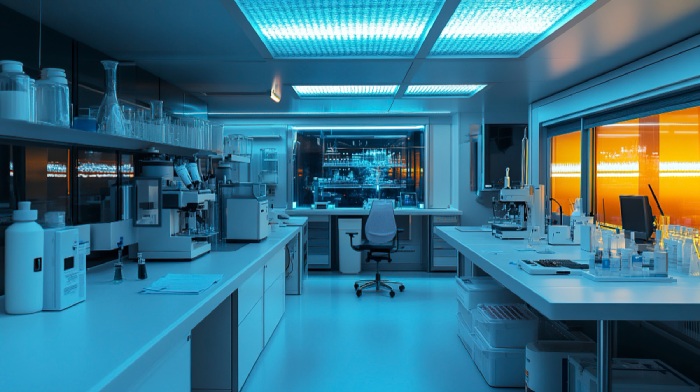
A foundational program focused on diagnostic laboratory procedures, sample collection, analysis, and reporting. Ideal for those looking to enter the diagnostics and pathology support system of hospitals and labs.
Key Highlights:
Duration: 1 Year
Practical training in pathology labs
Covers haematology, biochemistry, microbiology, and clinical pathology
Industry-aligned syllabus with internship opportunities
Model Curriculum
Phlebotomy Technician
Sector – Healthcare | Sub sector – Allied Health/Paramedics
Occupation -Phlebotomy technician | Duration -3 month
| S.No | Module | Key Learning Outcomes |
|---|---|---|
| 1 | Introduction to Healthcare Systems & Laboratory Services |
• Basic Understanding of Healthcare Service Providers (primary, secondary & tertiary) • Basic Understanding of Hospital Functions • Basic Understanding of Diagnostic Centers and Medical Laboratory Facilities • Understanding of Laboratory facilities at different levels (National / State / District) |
| 2 | Role of the Phlebotomy Technician |
• Broad understanding of the Role of PBT • Identify Laboratory maintenance needs • Understanding of Patient Comforts and Safety • Understanding of Laboratory Test Results • Exhibit Ethical Behaviour |
| 3 | Structure and Function of Human Body |
• Basic organization of cells, tissues, organs, systems • Basic unit of body – Cell • Types of tissues and organ systems • Body fluids, secretions, and excretions • Endocrine, Cardiovascular, Musculoskeletal Systems • Digestive, Respiratory, Urinary, Nervous Systems • Integumentary and Lymphatic systems |
| 4 | Basic Sensitization to Biochemistry and Clinical Biochemistry |
• Inorganic, Organic, Physical, Analytical Chemistry basics • Urine Analysis • Stool Analysis |
| 5 | Bio Medical Waste Management |
• Safe disposal & treatment of biomedical waste • Categories, color coding, containers • Transport and standards of disposal • Methods of treatment |
| 6 | Basic Sensitization to Haematology and Clinical Pathology |
• Blood sample collection • Haemoglobin, Reticulocytes, RBCs, WBCs • Haemostasis & Coagulation • Exam of Sputum, Semen, CSF, Pleural, Pericardial, Peritoneal, Synovial, Ascitic Fluids |
| 7 | Pre-analytical Laboratory Testing Process |
• Types of samples • Sample handling • Pre-analytical considerations |
| 8 | Infection Control and Prevention |
• Infection control practices • Hospital-borne infections • Needle stick injury management • Spill management in healthcare |
| 9 | Personnel Hygiene |
• Healthy living concepts • Hand hygiene • Grooming and PPE usage • Vaccination against common infections |